A Few Thoughts on Building Homes, Relationships, and Lasting Work
Over the years, I've realized that most people are not actually looking for a builder in the way they might think they are. They are not simply comparing square footage, finishes, or who can complete a project the fastest. More often, they are trying to find someone they trust to guide them through a process that is both financially significant and deeply personal, while balancing all the budget and timeline pressures they have been conditioned to focus on.
I think that's important to acknowledge honestly.
Building a custom home is exciting, but it can also feel overwhelming. There are hundreds of decisions, unexpected challenges, changing priorities, and moments where clients need someone steady and experienced to help navigate the process. For me, that responsibility has always mattered. It has always been one of the most important parts of the work.
After more than three decades in construction, I've learned that most of the stress people experience isn't caused by the building itself. More often, it's caused by uncertainty. People simply want to know where they stand, what comes next, and that someone is paying attention.
One of the things I value most is communication. Not polished sales communication; I am no salesman. Just clear, direct, consistent communication. I think people deserve honesty about timelines, budgets, challenges, and expectations, even when the conversations are uncomfortable.
In construction, problems are inevitable. Every project encounters conditions, details, or constraints that were impossible to fully predict at the beginning. I don't think the goal is pretending those issues won't happen. The goal is dealing with them properly and transparently when they do.
Listening Before Building
I also believe people care deeply about feeling heard. Every client approaches a home differently. Some care most about entertaining and gathering spaces. Some prioritize privacy and quiet. Others
care about how natural light moves through a room, how the house sits within the landscape, or whether the space feels calm at the end of a long day.
A home starts becoming meaningful long before construction begins. It starts during design. Much of that comes from listening carefully and understanding how people actually want to live. That is one reason I have always been drawn toward custom, design-focused residential work. I enjoy refining details and adapting homes to the people living in them rather than forcing projects into a rigid formula.
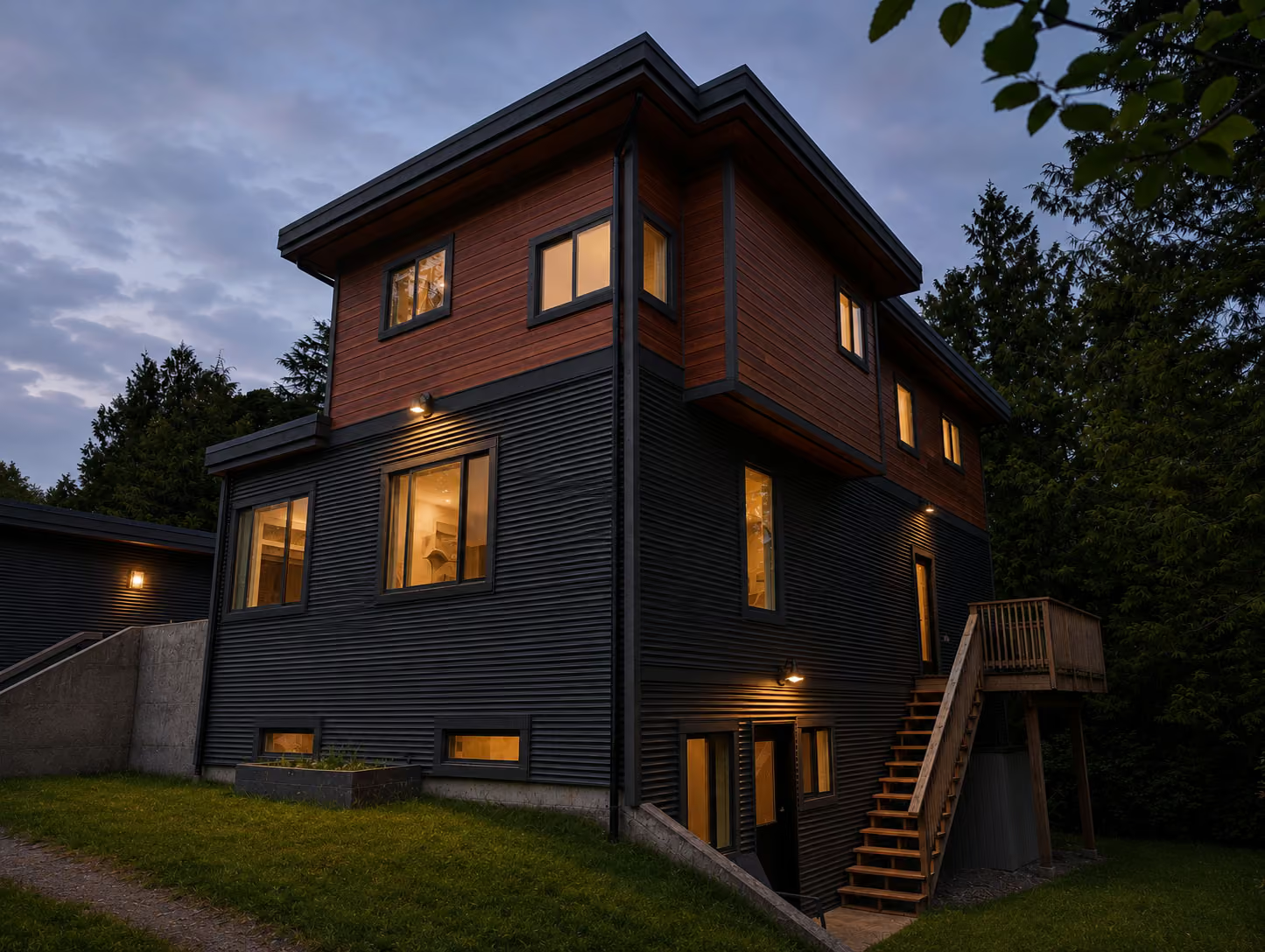
I don't think homes should feel overproduced. The houses I am most drawn to are the ones that feel grounded and intentional — homes that feel connected to their environment and built with enough care that they will still feel relevant years from now.
The Homes That Stay Relevant
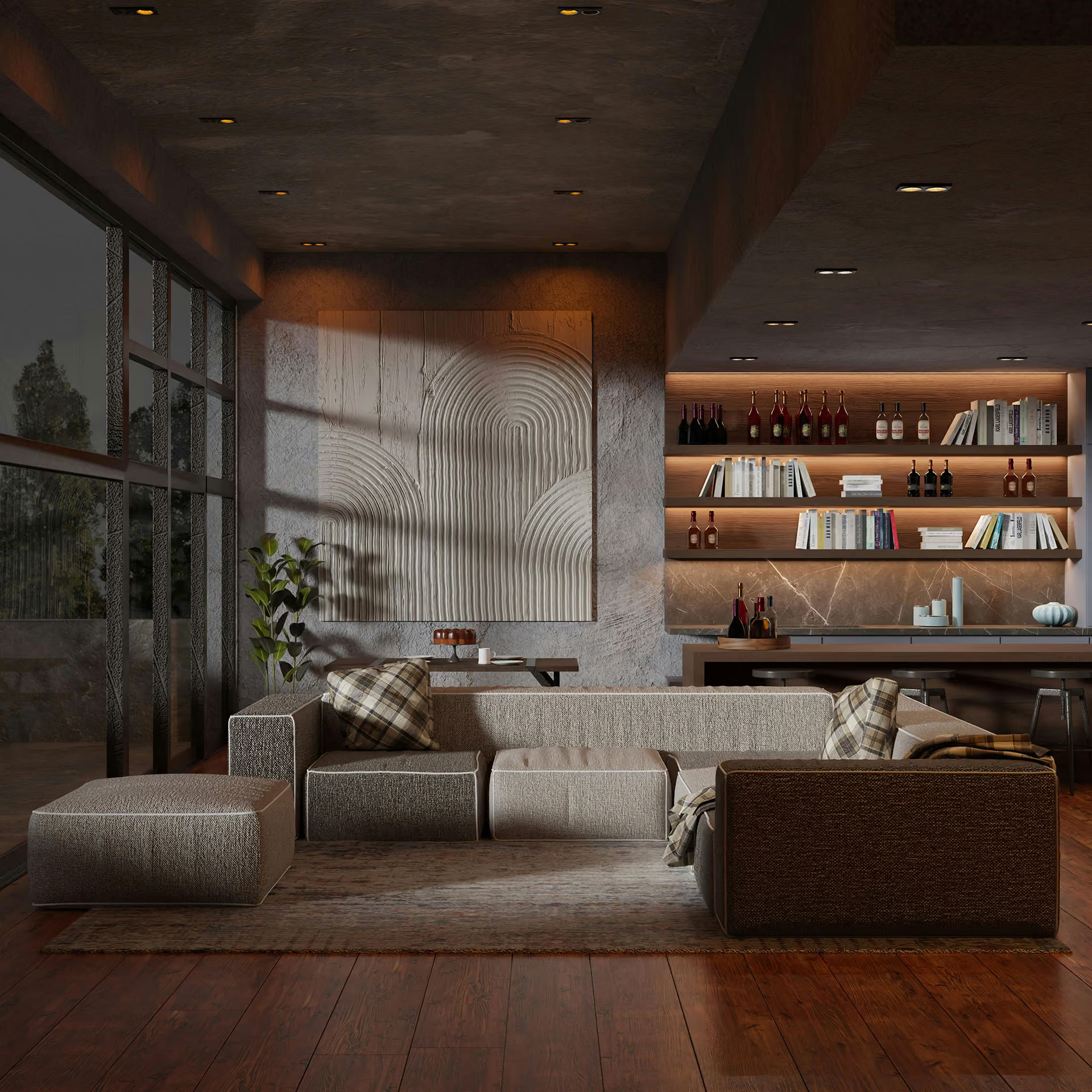
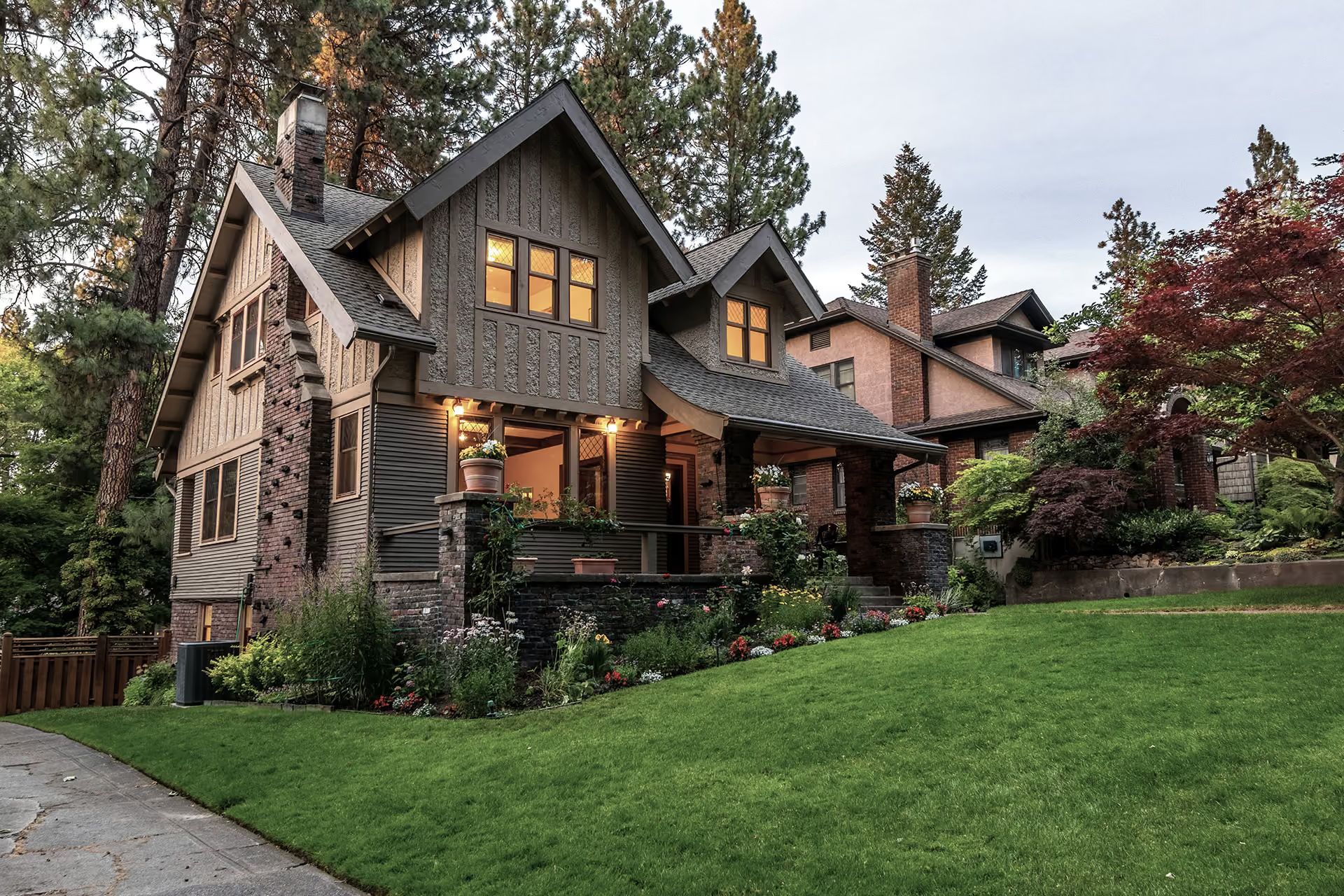
That doesn't necessarily mean large or extravagant. Some of the best spaces are remarkably restrained. What matters more to me is proportion, materials, natural light, and whether the home feels considered as a whole. The homes that age best are rarely the ones that are simply the largest. They are usually the ones designed with enough honesty to support how people truly live.
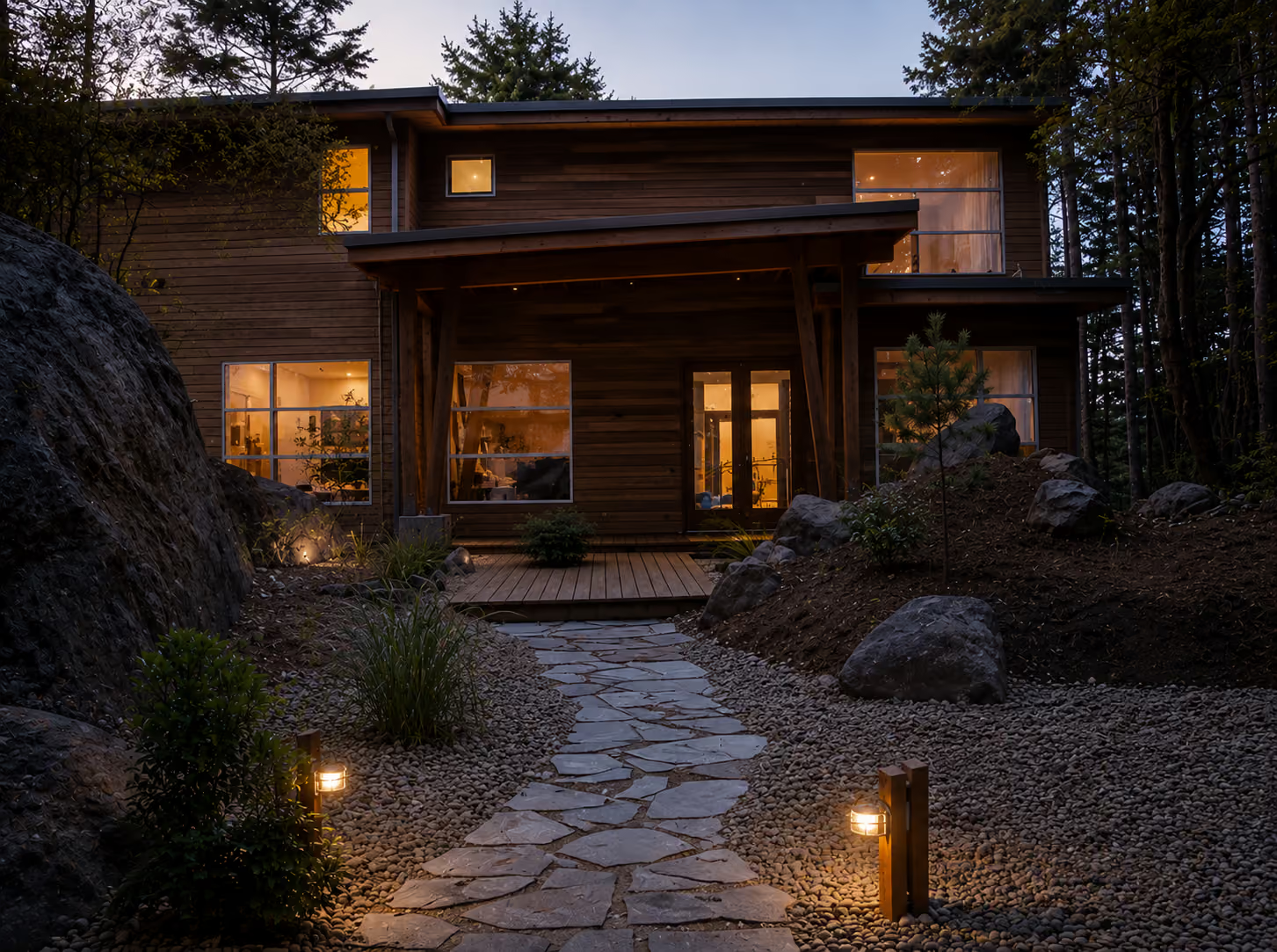
When I think about the homes that leave a lasting impression, they are often the ones where nothing feels forced. The materials belong where they are. The spaces flow naturally. The home sits comfortably within its surroundings. Years later, those homes still feel appropriate because they were designed around people rather than trends.
Building Is a Collaborative Process
I've also come to appreciate how much the process itself affects the final outcome. A well-run project usually comes from good planning, strong relationships, organized systems, and mutual respect between clients, trades, consultants, and suppliers. Excellent construction is collaborative by nature.
The best projects happen when everyone involved is working toward the same outcome instead of protecting their own corner of the process. That applies internally as well. I care deeply about the people involved in building the work — the trades, project managers, suppliers, and crews who bring a project to life. Some of the best lessons I've learned in this industry came from craftsmen who rarely sought recognition for what they did. Over time, I've come to believe that good relationships and mutual respect show up in the finished product just as surely as good design or quality materials.
Construction can be demanding work, but I have always believed that people do their best work when they feel respected and valued. Over time, those relationships become one of the most important assets a builder can have.
When I think about the homes that leave a lasting impression, they are often the ones where nothing feels forced. The materials belong where they are. The spaces flow naturally. The home sits comfortably within its surroundings. Years later, those homes still feel appropriate because they were designed around people rather than trends.
Accountability Matters
Another thing I value is accountability. I think if you put your name on something, you should stay close to it. That means being involved, paying attention to details, and taking responsibility when something needs to be corrected. I've never been particularly interested in creating a business that feels disconnected from the actual work being done.
I think clients appreciate knowing who they are working with and knowing that the person making commitments will still be involved when decisions need to be made. Accountability builds trust, and
trust tends to make every part of a project work better.
A More Personal Way to Build
I also think homeowners are becoming more aware that bigger does not always mean better. Many people today are looking for a more personal experience — not necessarily luxury in the traditional sense, but thoughtfulness. They want the process to feel collaborative instead of transactional. They want clarity instead of pressure. Most of all, they want to know the people involved genuinely care about the outcome.
I understand that perspective because it aligns closely with how I see construction myself. To me, building homes has never only been about the finished structure. It is about creating spaces that people will experience every day for years — where routines happen, families grow, conversations unfold, and a comfortable life takes place. A place where relationships matter.
That carries weight.
Why Rainstone Exists
I've always been drawn to homes that feel settled in their surroundings. Homes that don't need to announce themselves. The best homes are rarely the loudest ones. They are usually the homes that feel calm, lasting, and naturally connected to the people living inside them — almost like an
extension of themselves.
That is ultimately the kind of work we want to keep building through Rainstone Developments. Homes that are thoughtful rather than trendy. Homes that are built with care, guided by experience, and designed to serve the people who live in them for many years to come.
That is what we are striving to deliver.